


Your ABS control unit — also called the ABS module, EBCM, or hydraulic control unit — is the brain of your anti-lock braking system. When it fails, you lose a safety net exactly when you need it most.
What Does the ABS Control Unit Do?
The control unit constantly reads your wheel-speed sensors during braking. If it detects a wheel about to lock up, it rapidly modulates brake pressure to that wheel — many times per second — so the tire keeps rolling instead of skidding. That’s what lets you keep steering during a hard or emergency stop. The same module usually powers your traction control and stability control.
Signs Your ABS Control Unit Is Failing
- The ABS warning light stays on
- The brake pedal feels spongy, unresponsive, or pulses oddly
- Wheels lock up during hard braking
- The traction or stability control light comes on
- An erratic or dead speedometer
Your standard brakes still work with a failed ABS module, but you lose anti-lock protection — a real concern on wet or slick roads where stopping distances grow.
How ABS Control Unit Replacement Works
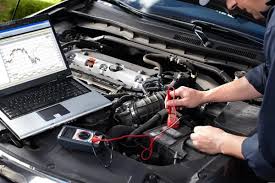
A technician scans for ABS trouble codes to confirm the module is the cause rather than a single wheel-speed sensor, replaces the unit, bleeds the brake system, and — on vehicles that require it — programs and calibrates the new module to the car. Our mobile mechanics complete most ABS replacements on-site the same day.
Noticing these symptoms? A failing ABS control unit replacement isn’t something to put off. Rapidwrench’s certified mobile mechanics diagnose and replace it at your home, office, or roadside — serving Austin, Dallas, Houston, Fort Worth, San Antonio, Tampa, Orlando, Jacksonville, Boston and more. Book mobile ABS control unit replacement service or call 1 (866) 511-0898.
Frequently Asked Questions
Is it safe to drive with a bad ABS module?
Your regular brakes work, but you lose anti-lock protection and traction/stability control, so stopping on slick roads is riskier. Replace it promptly.
What causes an ABS module to fail?
Age, heat, moisture, corrosion of the wheel-speed sensors or wiring, and electrical faults are common causes.
Does a new ABS unit need programming?
Many modern vehicles require the replacement module to be programmed and calibrated to the car — our mechanics bring the scan tools to do it on-site.