
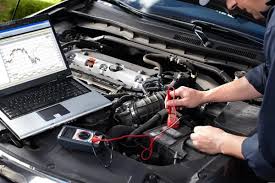


Ever notice how little effort it takes to stop your car? You have the brake booster to thank. When it fails, braking suddenly takes real muscle — and stopping distances grow.
What Does a Brake Booster Do?
The brake booster multiplies the force from your foot so that light pedal pressure produces strong, confident braking. Most use engine vacuum to do this: a diaphragm inside the booster uses the pressure difference between engine vacuum and the atmosphere to amplify your effort. Some vehicles use a hydraulic (hydro-boost) or electric booster instead.
Signs of a Failing Brake Booster
- A hard or stiff brake pedal that takes much more effort
- Longer stopping distances
- A hissing sound near the pedal when you brake
- The engine stalling or stumbling when you press the brake
- A brake pedal that’s slow to return
A failing booster is a genuine safety concern — if the pedal has become hard and braking weak, it should be addressed right away.
How Brake Booster Replacement Works
A technician first confirms the booster and its vacuum supply are the problem, then removes the master cylinder and booster, installs the new booster, reconnects everything, and bleeds the brakes so the pedal is firm before finishing. Our mobile mechanics can do this at your home or workplace.
Noticing these symptoms? A failing brake booster replacement isn’t something to put off. Rapidwrench’s certified mobile mechanics diagnose and replace it at your home, office, or roadside — serving Austin, Dallas, Houston, Fort Worth, San Antonio, Tampa, Orlando, Jacksonville, Boston and more. Book mobile brake booster replacement service or call 1 (866) 511-0898.
Frequently Asked Questions
Is it safe to drive with a bad brake booster?
No — braking effort and stopping distance increase significantly, so it’s a repair to handle right away.
Why is my brake pedal suddenly hard?
A failed booster or a vacuum leak is the usual cause — the booster is no longer assisting your pedal effort.
Do the brakes need bleeding after a booster replacement?
Yes — the system is bled and a firm pedal confirmed before the job is considered done.