


The throttle body controls how much air your engine breathes — and when it gets dirty or fails, you’ll usually notice it at idle. Here’s what it does and how to tell whether it needs cleaning or replacing.
What Does a Throttle Body Do?
The throttle body sits between your air intake and engine. When you press the accelerator, it opens a valve (the throttle plate) to let more air in; the engine computer matches fuel to that airflow. On most modern cars the throttle is electronic (drive-by-wire), controlled by the ECU rather than a physical cable. Over time, carbon and oil residue build up on the plate and bore, disrupting airflow.
Symptoms of a Dirty or Failing Throttle Body
- A rough, high, or erratic idle
- Stalling, especially at stops
- Hesitation or poor acceleration
- A check engine light
- The vehicle dropping into reduced-power or “limp” mode
Clean or Replace?
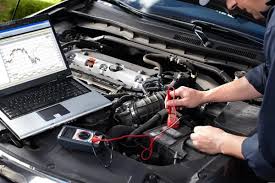
Often a throttle body just needs cleaning — removing the carbon buildup and, on electronic units, performing an idle relearn so the ECU recalibrates. If the electronics or motor inside have failed, replacement is the fix. A technician can quickly tell which you need by scanning for codes and inspecting the unit.
Noticing these symptoms? A failing throttle body service isn’t something to put off. Rapidwrench’s certified mobile mechanics diagnose and replace it at your home, office, or roadside — serving Austin, Dallas, Houston, Fort Worth, San Antonio, Tampa, Orlando, Jacksonville, Boston and more. Book mobile throttle body service service or call 1 (866) 511-0898.
Frequently Asked Questions
Can I drive with a dirty throttle body?
Short-term, yes, but a rough idle and stalling are only likely to get worse — and a stall in traffic is a safety risk. Have it cleaned or replaced before it does.
Does a throttle body need an idle relearn after service?
Many electronic throttle bodies do — after cleaning or replacement, the ECU relearns the correct idle position so the engine idles smoothly.
How do I know if it needs cleaning or replacing?
A scan and inspection tell the difference: carbon buildup calls for cleaning, while failed electronics call for replacement.