


Short answer: yes, you can usually keep driving with a bad oxygen sensor — your car will still run. But doing so costs you money at the pump and can lead to a much more expensive repair down the road.
What Happens If You Keep Driving
Without an accurate oxygen-sensor reading, the engine computer has to guess at the air-fuel mixture, and it usually errs rich (too much fuel). That means:
- Worse fuel economy — sometimes noticeably so
- A persistent check engine light
- Rough idle, hesitation, or sluggish acceleration
- A likely emissions-test failure
- Over time, a fouled or damaged catalytic converter — a far pricier fix
How Long Can You Wait?
There’s no immediate safety risk, but the fuel you waste and the risk to your catalytic converter add up quickly. Most drivers are better off replacing the sensor within a week or two of the light appearing rather than letting it run for months.
The Fix Is Quick
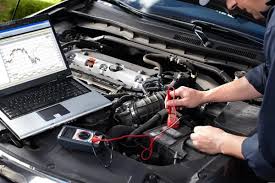
A technician scans to confirm which sensor is failing, replaces it, and clears the codes — usually 30–60 minutes per sensor. Our mobile mechanics handle it at your home or workplace, so it needn’t disrupt your day.
Rapidwrench’s certified mobile mechanics come to your home, office, or roadside across Austin, Dallas, Houston, Fort Worth, San Antonio, Tampa, Orlando, Jacksonville, Boston and more. Book mobile oxygen sensor replacement or call 1 (866) 511-0898 for a clear quote before any work begins.
Frequently Asked Questions
Will a bad O2 sensor damage my engine?
Not the engine directly, but the resulting rich mixture can foul and eventually ruin your catalytic converter, which is expensive to replace.
Can a bad oxygen sensor cause a car to fail emissions?
Yes — it’s one of the most common reasons for an emissions or smog-test failure.
How much does it cost to replace?
It varies by vehicle and sensor, and our mobile oxygen sensor replacement starts at $206 — you’ll get a clear quote first.